

ML models for a medical center
#Healthcare #Python #Mlflow #MLmodel
Project definition
Location
Client
Project type
Industry
Service list
ML Engineering / Computer Vision
Team size
S-Size (1–3 engineers)
Budget
$10,000 – $50,000
Task
The goal of this project was to develop two machine learning models for use in a medical center. The first model is designed to predict the likelihood of patient churn, allowing the clinic to take timely measures to retain clients. The model was trained using anonymized data on patient visits, the duration of their stay at the center, the number of consultations with doctors, and other related factors. The second model was designed to automate the handling of patients' paper documentation. It was intended to scan, digitize, and process information extracted from physical documents
Solution
Both models were successfully developed and implemented in practice. The first model demonstrates a client churn prediction accuracy of 78%. The generated data is forwarded to the quality control department, where specialists analyze the reasons why clients may have discontinued services and switched to competitors
Impact
The medical center gained two machine learning solutions that modernized its operations. The churn prediction model achieved an accuracy rate of 78%, enabling the quality control department to identify and address reasons behind client attrition. The document recognition model reached 99% accuracy in scanning and processing patient forms, cutting manual data entry time by more than half and improving overall staff productivity by 40%




💡 This is an AI-CORE project
💡 This is an AI-powered project
💡 Have a similar Industrial or Energy request?
💡 Have a similar Healthcare request?
💡 Have a similar EdTech request?
💡 Have a similar FinTech request?
💡 Have a similar request?

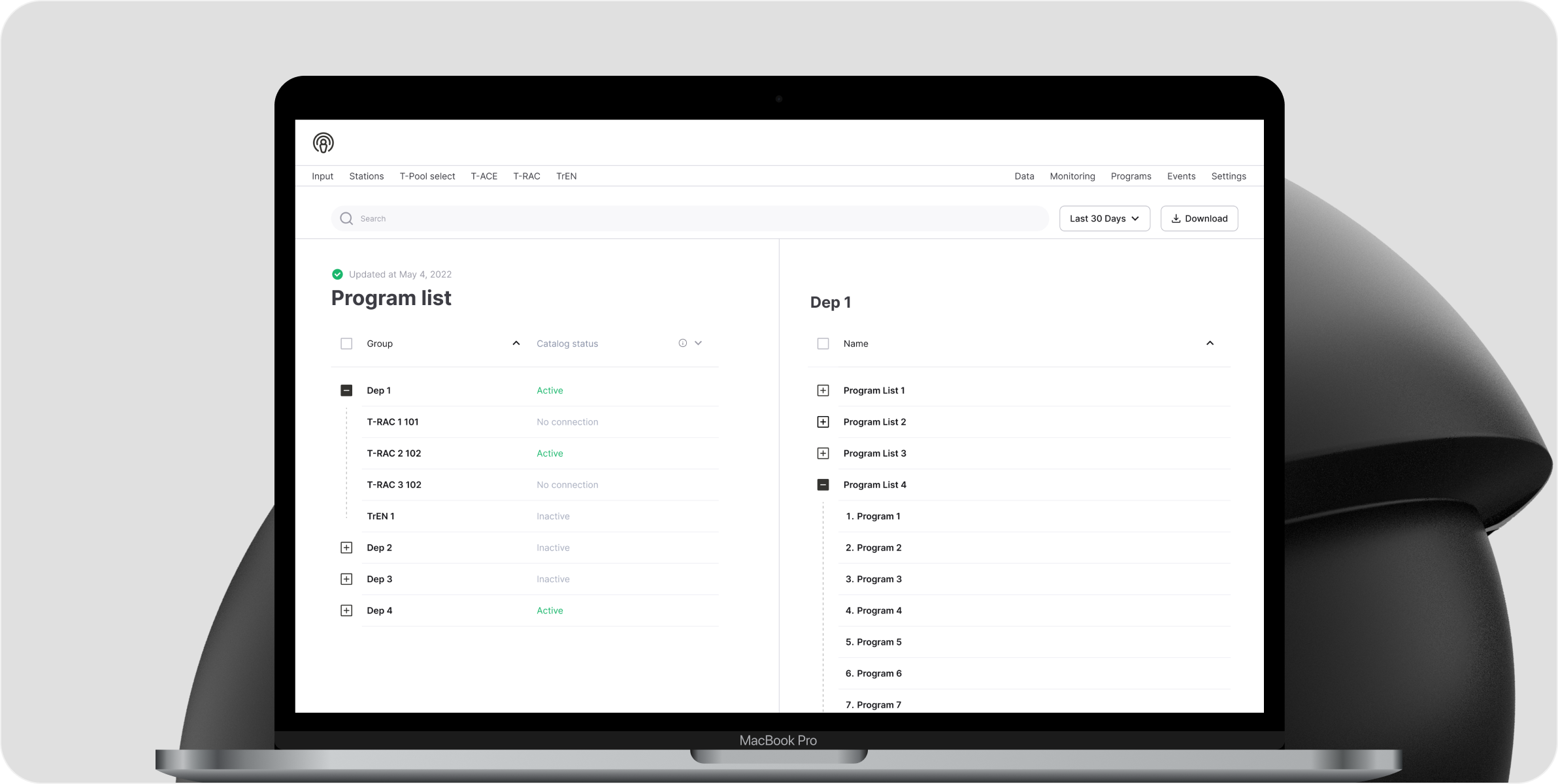
2 ML models
We developed two ML models for the medical center
Accuracy of customer behavior prediction
The accuracy of customer churn prediction is 78%
Accuracy of document recognition
The accuracy of medical paper document recognition is 99%
Development Process
We developed two specialized ML models tailored to the clinic's needs. The first, based on gradient boosting, was trained on anonymized patient visit and consultation data to predict churn risk with high reliability, generating actionable reports for the quality repo quality control team. The second model focused on computer vision, designed to scan and interpret paper documents with near-perfect accuracy, automatically extracting and digitizing key information. Both models were deployed with robust DevOps and MLOps practices, ensuring scalability, producibility and continuous improvement, reproducibility, and continuous improvement
Technologies
ML models for a medical center
Developing of two machine learning models for prediction patient churn and paper document automation processing

Book a call with our Head of Sales


